




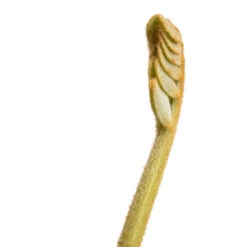

Zamia Furfuracea – Cardboard Palm
Original price was: $27.95.$19.57Current price is: $19.57.
- Free Shipping Worldwide
- Service with a smile, always online.
- Buy quality, buy with us.
- Quality at its Finest

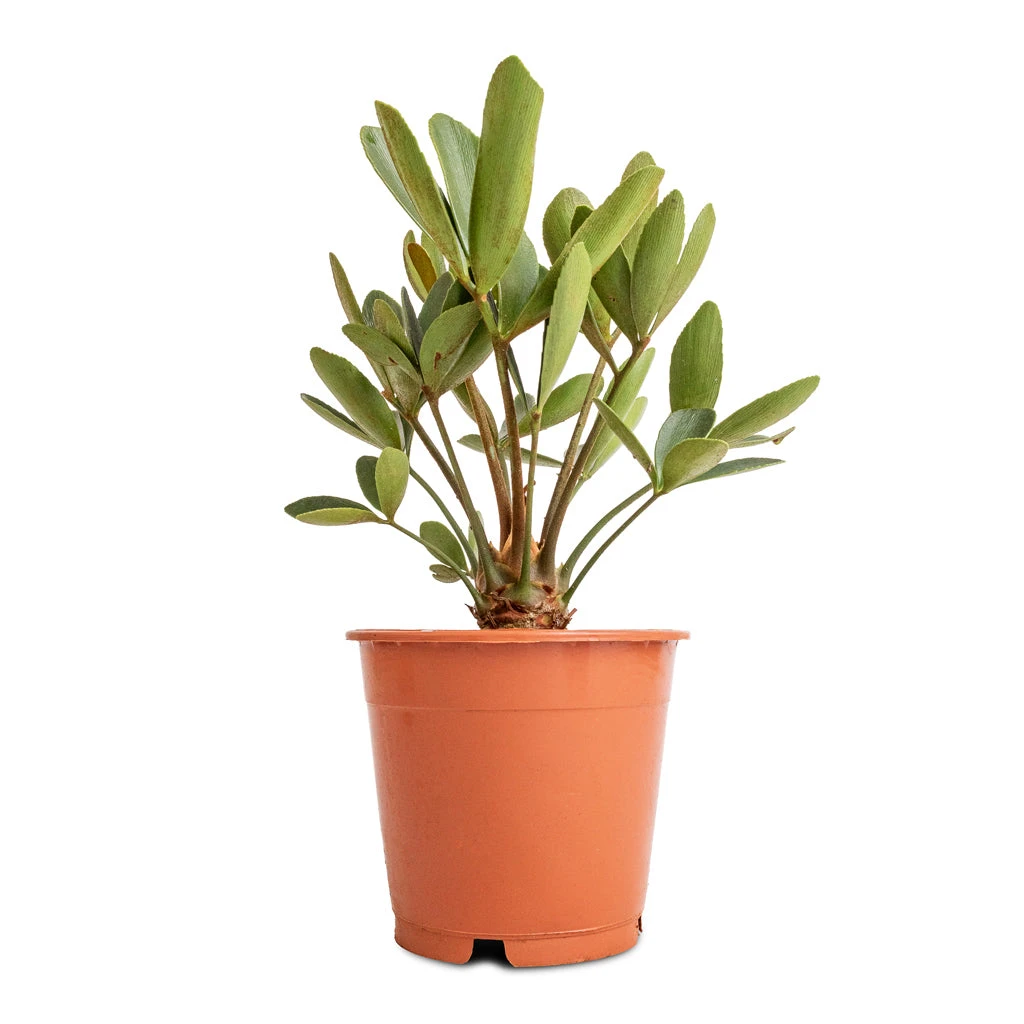
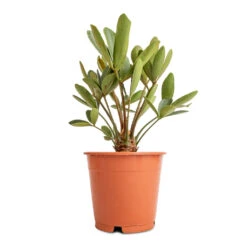
Although commonly referred to as a palm, the Cardboard Palm (Zamia furfuracea) actually belongs to the Cycad family, alongside the closely related Sago Palm. These resilient houseplants have withstood the test of time, predating, and surviving, the era of dinosaurs.
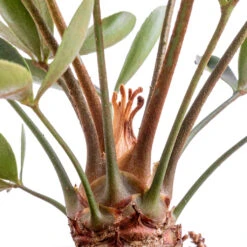
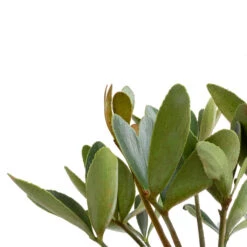
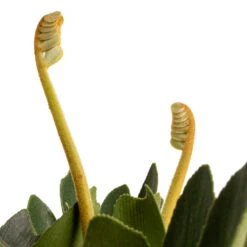
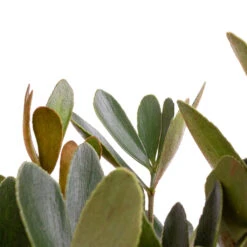
Unlike typical palms, the Cardboard Palm distinguishes itself with its leaves emerging not from fronds, but from a robust and chunky trunk known as a “caudex.” This caudex rests on the soil’s surface, partially submerged beneath the earth. From this sturdy base, stiff and leathery fronds arise, delicately ridged and reminiscent of corrugated cardboard in texture, hence its unique moniker. Initially upright, these fronds gracefully arch over time, forming a picturesque cascade within a beautifully arranged rosette.
Zamia furfuracea – Cardboard Palm Care & Info Guide
Horty Hints
Sun worshipper! The Zamia furfuracea is one of the few houseplants that can handle direct sunlight. Providing full early morning and late afternoon sun will increase the growth rate.
Dust off and trim tight! Keep those fronds pristine by removing dead leaves, but be gentle – they’re slow growers. Handle with care to keep them flourishing!
Don’t treat me like a tropical! Definitely NOT a palm. Cardboard palms are tough but thrive on very different care to palm trees. Keep them dry, with low humidity for best results.

Light
Zamia furfuracea prefers bright, indirect light but will tolerate shade. Direct early morning or late afternoon sunlight should not harm the plant, providing it is not too harsh.

Watering
Allow the top of your Cardboard Palm’s soil to dry out before watering. Water the base of the plant rather than the crown to prevent rotting. Do not overwater.

Temperature
Zamia furfuracea does well in average household temperatures (16-24°C), but should not be allowed to go lower than 13°C. Avoid cold draughts.

Humidity
Cardbaord Palms are desert-dwellers and prefer drier air, so avoid typically steamy locations like the bathroom and kitchen.

Feed
Apply liquid fertiliser occasionally during the growing season. Do not over-feed: this slow-growing plant does not require a lot of extra food.

Height & Growth Rate
The Cardbaord Palm is a slow growing plant with a maximum indoor height of around 60cm to 80cm.

Toxicity
The leaves of the plant are toxic if eaten. Keep out of reach of children and animals.

Origin
Zamia furfuracea is native to coastal Mexico.
| SIZE: Pot Diameter x Total Height | 12 x 45cm |
|---|
Be the first to review “Zamia Furfuracea – Cardboard Palm”
Related products


HOUSEPLANT STYLES


HOUSEPLANT STYLES
HOUSEPLANT STYLES
HOUSEPLANT STYLES

HOUSEPLANT STYLES
HOUSEPLANTS

HOUSEPLANT STYLES
Reviews
There are no reviews yet.