
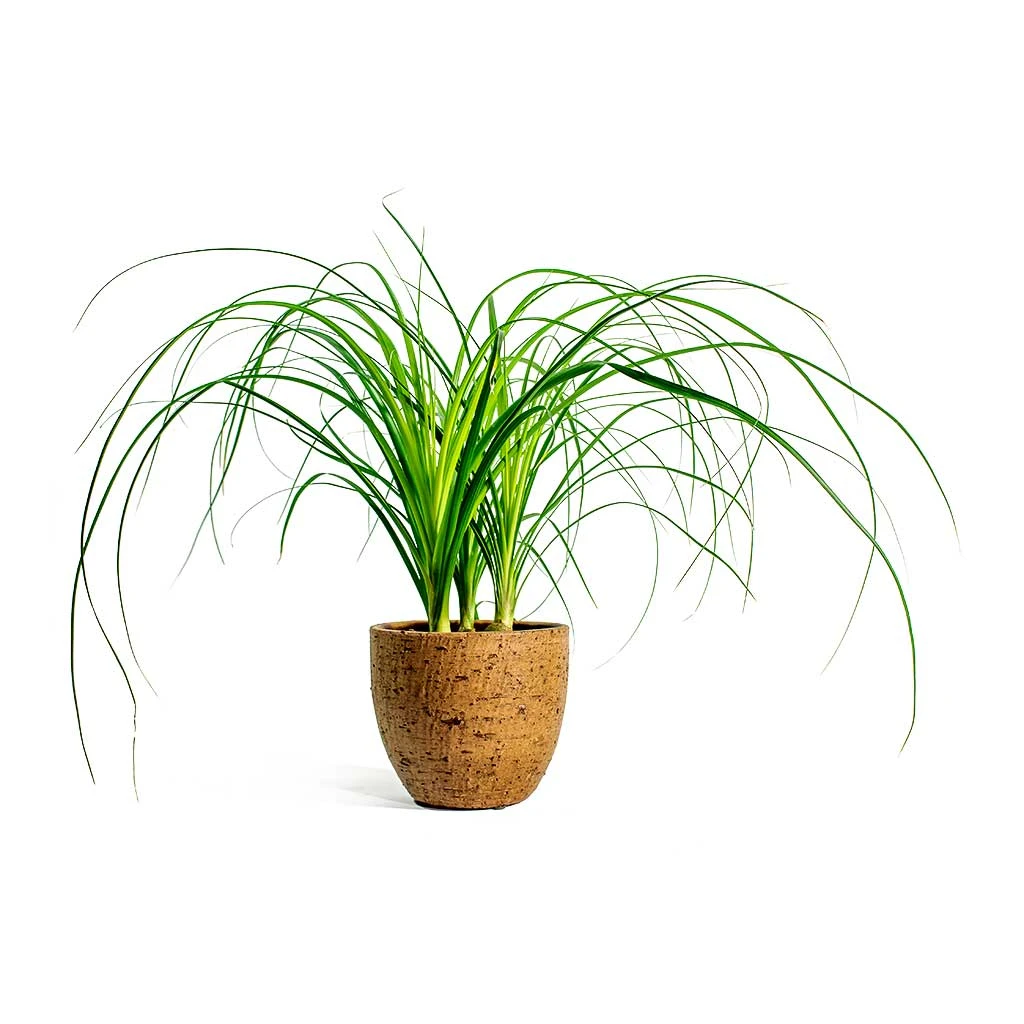

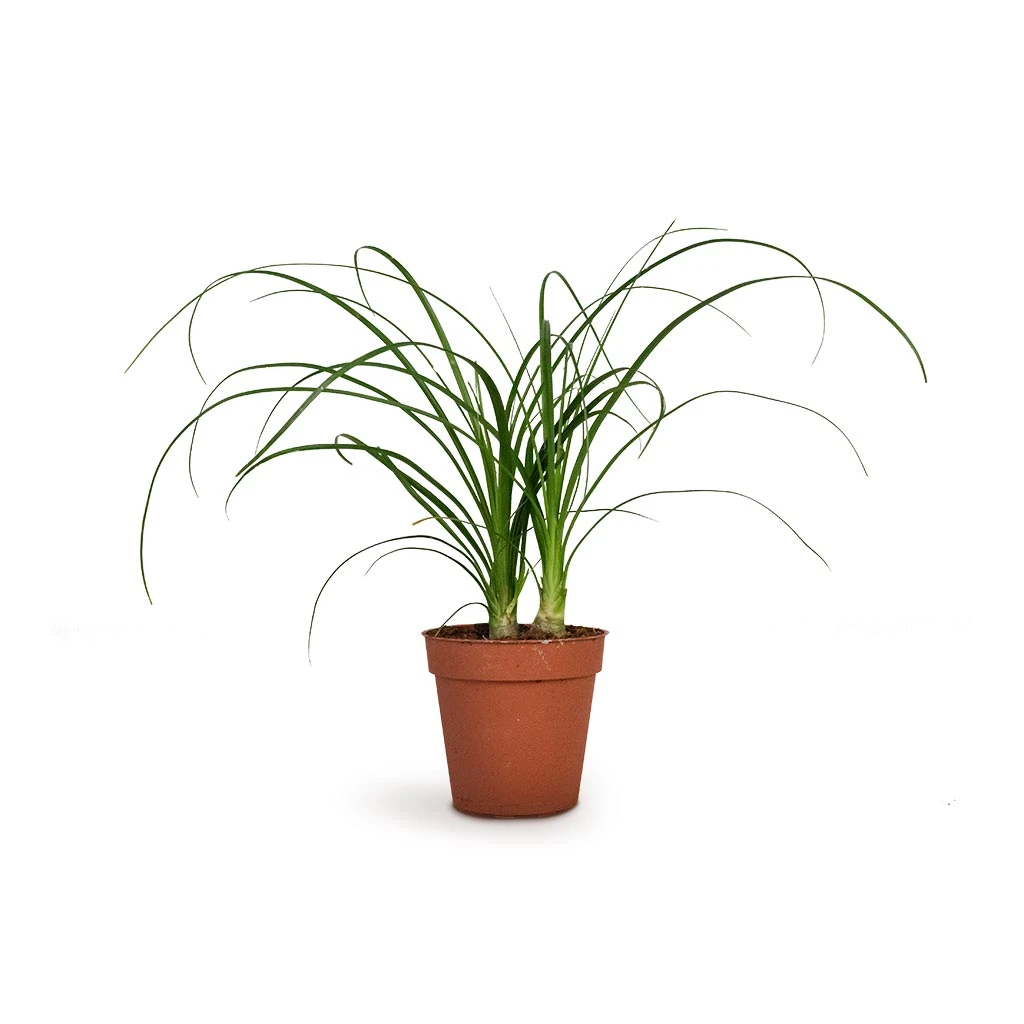

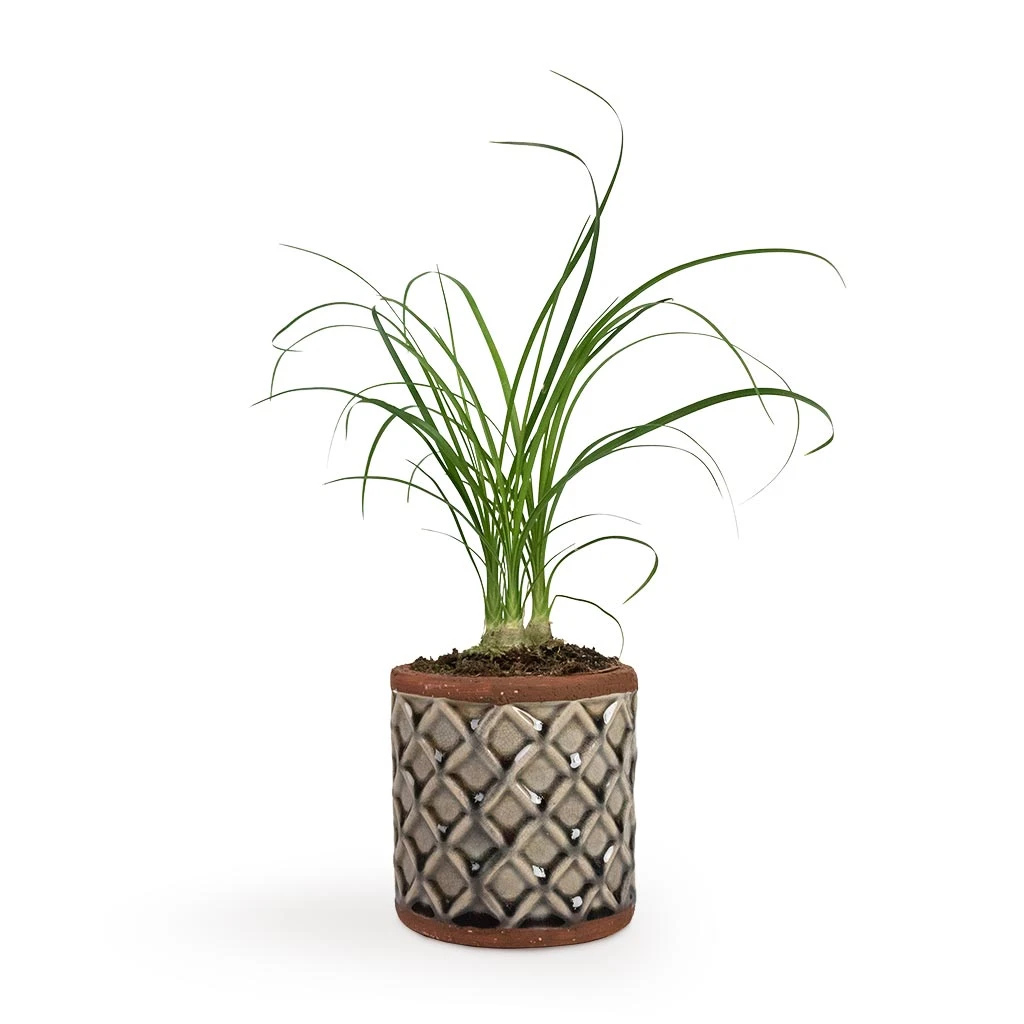
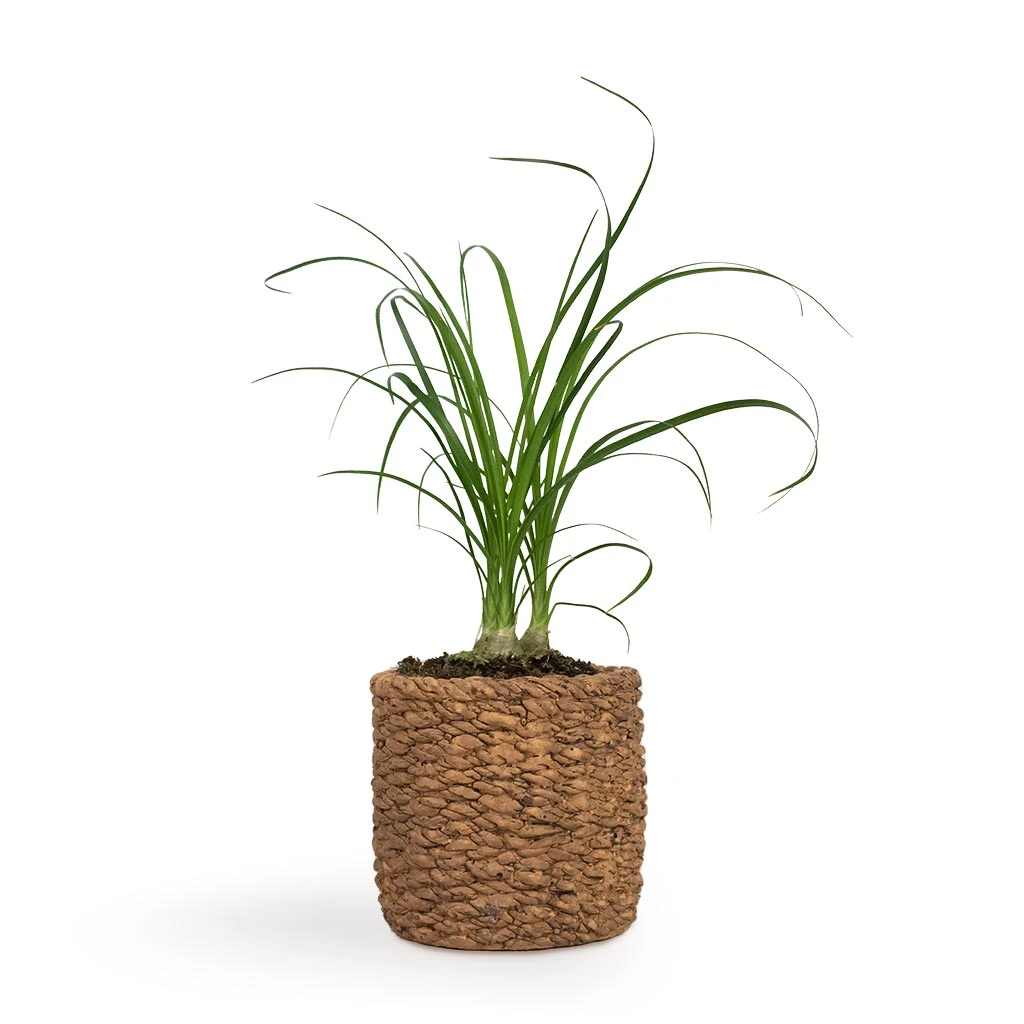
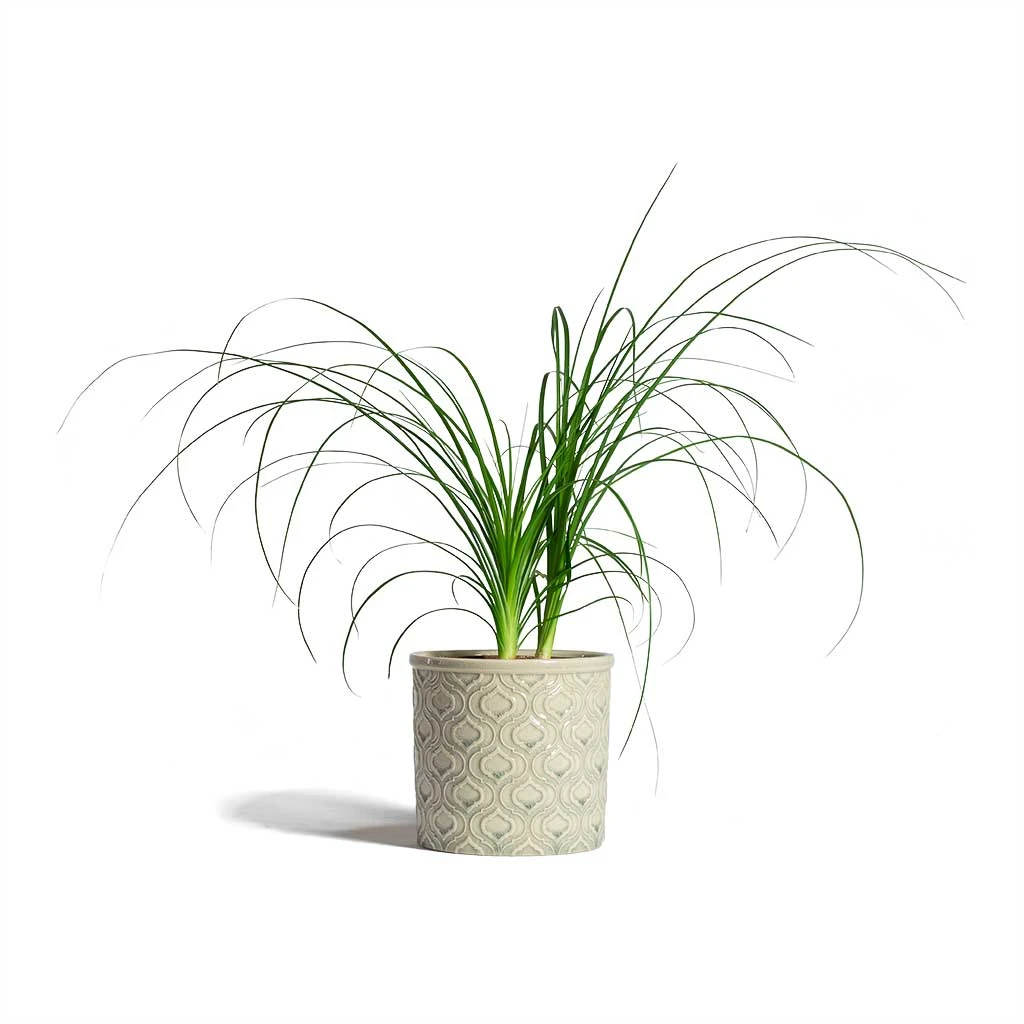
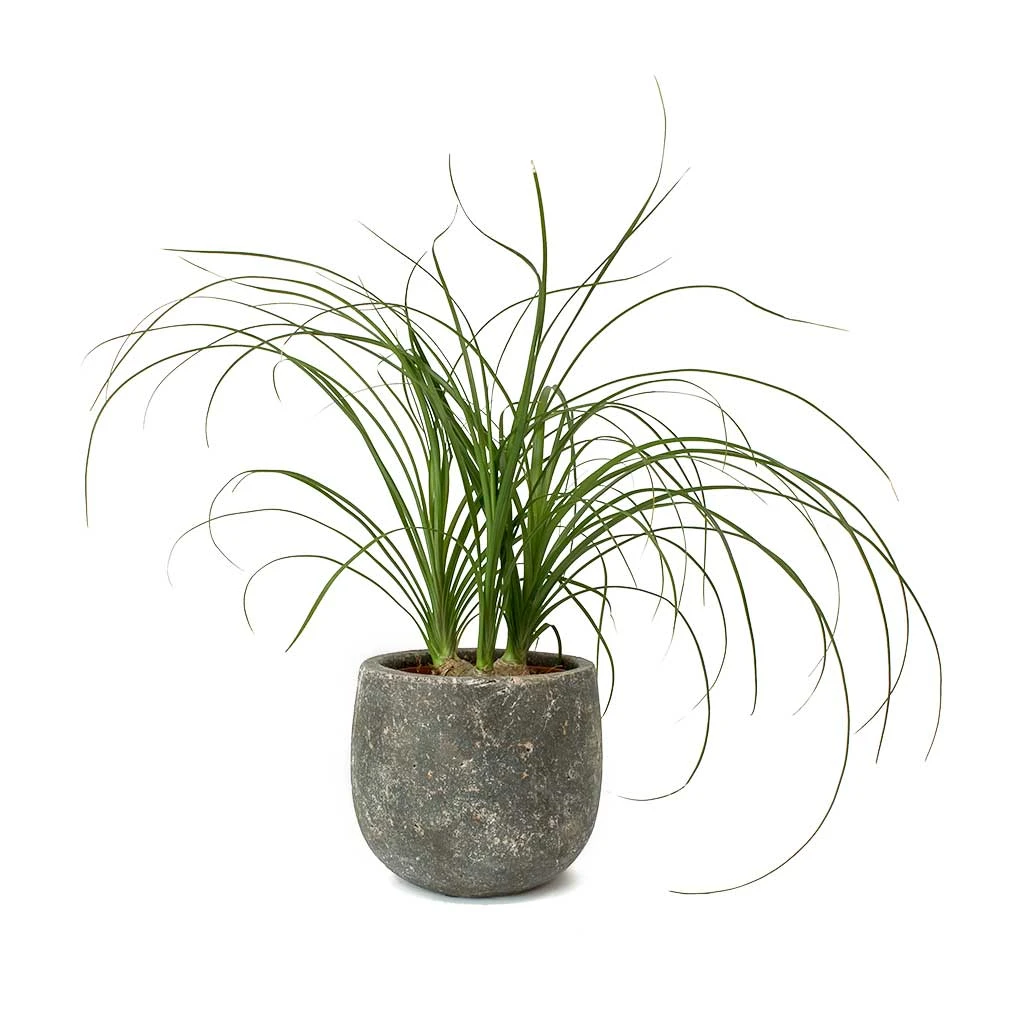



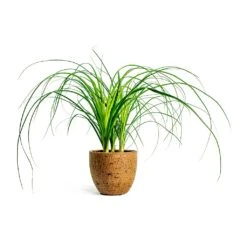


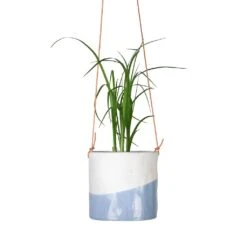
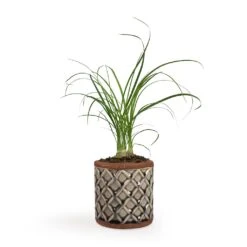
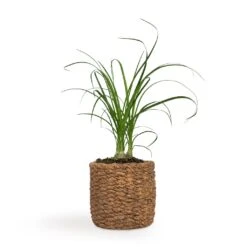

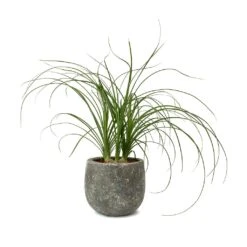

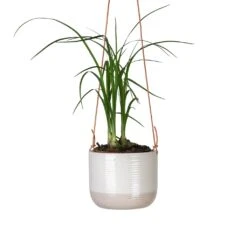
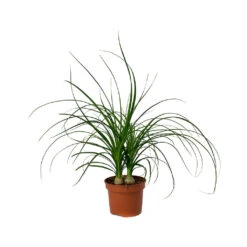

Beaucarnea – Pony Tail Palm – Head
Original price was: $12.99.$9.09Current price is: $9.09.
- Free Shipping Worldwide
- Service with a smile, always online.
- Buy quality, buy with us.
- Quality at its Finest

Beaucarnea recurvata was previously known as Nolina recurvata. Its common names are Pony Tail Palm and Elephant’s Foot. Although called a palm, it is in fact a succulent, being a member of the Agave family.
These smaller Pony Tail palms with ball shaped trunks look stunning as table and desk top plants. They are very easy to care for, making them ideal for almost everyone and an excellent choice for both home and office.
Beaucarnea recurvata – Ball Pony Tail Palm Care & Info Guide
Horty Hints
Hide-and-Seek! Pony Tail Palms are susceptible to mealy bugs which hide in the pleats and folds of the plant. Cotton wool is the clue. See our pests guide for help.
Too wet, pet? Yellowing leaves is a sign that the palm has been watered too much. Allow the soil to almost dry out completely in-between waterings.
Why so dry? If you notice the palm has limp or browning leaf blades, it is desperate for a drink.

Light
The Pony Tail Palm prefers bright, indirect sunlight, however will tolerate some degree of shade. However, your plant is more likely to grow in lighter conditions.

Watering
Although the base of the plant is a water store, your Pony-tail Palm will do best when watered thoroughly on a regular basis. The water store will help the plant survive if you forget occasionally!

Temperature
This Beaucarnea recurvata will thrive in cooler temperatures, therefore normal household conditions will be fine: anything from 5-25°C.

Humidity
This plant is perfect for low-humidity locations. As a desert-dweller, the Pony Tail Palm thrives in the dry air of heated homes.

Feed
Apply a light feed occasionally during the growing season.

Height & Growth Rate
Pony Tail Palms are very slow growing plants. Over time, this plant will typically reach an indoor maximum height of around 2.5 metres.

Toxicity
Beaucarnea recurvata are non-toxic plants, and are safe to keep around small children and pets.

Air Purifying
Palms clean and improve air quality by filtering formaldehyde, benzene and carbon monoxide toxins from the surrounding environment.

Origin
Beaucarnea recurvata is native to Mexico and Texas, USA.
| SIZE: Pot Diameter x Total Height | 9 x 30cm, 12 x 45cm |
|---|
Be the first to review “Beaucarnea – Pony Tail Palm – Head”
Related products

HOUSEPLANTS
HOUSEPLANT STYLES
HOUSEPLANT STYLES

HOUSEPLANT STYLES
HOUSEPLANT STYLES


HOUSEPLANT STYLES
HOUSEPLANT STYLES
HOUSEPLANT STYLES
Reviews
There are no reviews yet.